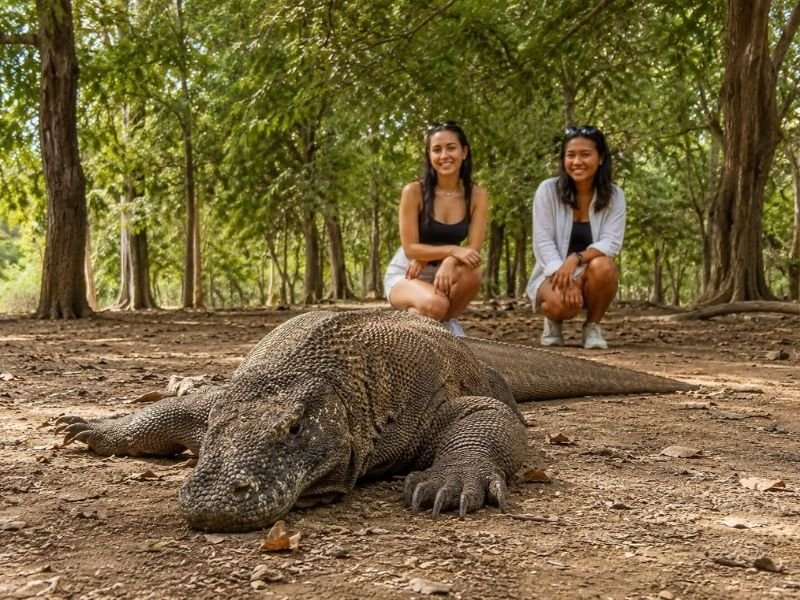
Komodo National Park was officially established in 1980 with one goal: protect the wild Komodo dragon and the dry savanna it calls home. That focus made sense back then, because the species exists nowhere else on earth. If you’re planning a stunning Komodo trip, understanding this history helps explain why the rules feel strict once you arrive. Early conservationists knew that without legal protection, hunting and habitat loss would wipe out the population fast.
Over time, the mission grew. Park managers realized you can’t save the dragon without protecting the whole ecosystem around it. By 1986 UNESCO listed the area as a World Heritage Site, recognizing both the terrestrial and marine value. Today a comprehensive Komodo tour covers roughly 1,817 square kilometers of land and sea, including Komodo, Rinca, Padar, and dozens of smaller islets. When you explore Komodo Island itself, you’re walking through one of the last intact monsoon forests and savanna landscapes in Indonesia.
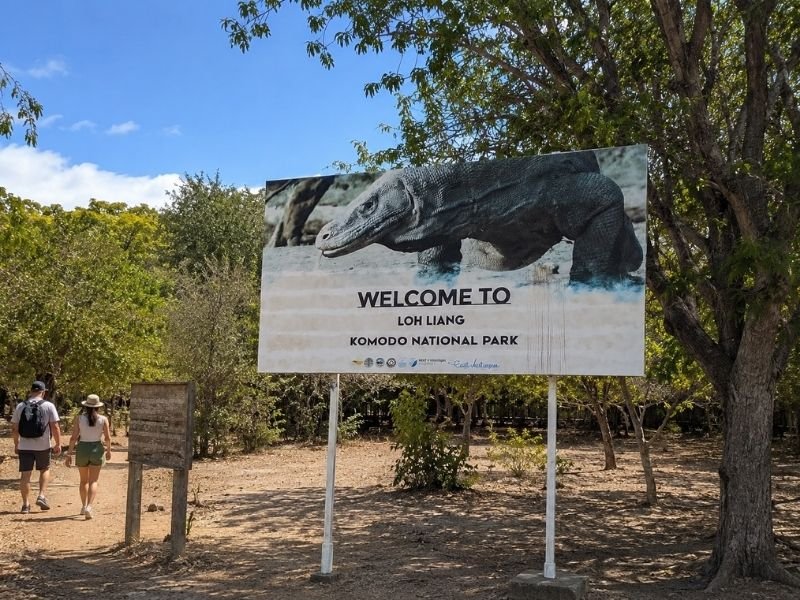
The Komodo dragon remains the star, but it’s far from the only resident on a wild Komodo trip. Timor deer roam the valleys, serving as the dragon’s main wild prey. You’ll also find wild boar, long-tailed macaques, water buffalo, and several endemic rodents adapted to the dry climate. Birdwatchers catch sight of orange-footed scrubfowl and yellow-crested cockatoos in the coastal forests. This diversity is why a guided walk matters—rangers point out tracks, scat, and behavior you’d miss on your own.
Underwater, the park is even richer. Strong tidal currents funnel nutrient-rich water through the straits, feeding some of Indonesia’s healthiest reefs. On a vibrant Komodo tour, divers and snorkelers encounter over 1,000 fish species, 260 hard coral types, and 70 sponge species. Manta rays glide through cleaning stations, reef sharks patrol drop-offs, and green sea turtles nest on quiet beaches. If you explore Komodo Island by boat, sites like Batu Bolong, Manta Point, and Castle Rock consistently rank among the top dive spots globally.
Despite protected status, pressure on the park has increased. Terrestrial threats have grown over the last 60 years due to encroachment, illegal hunting, and competition for grazing land. The Timor deer population, critical to the dragon’s food chain, is still targeted in some zones. For anyone booking a responsible Komodo trip, this is why rangers enforce strict trail routes and no-feeding rules. Small actions on your part directly reduce stress on wildlife.
The marine environment faces similar challenges. Destructive fishing methods like blast fishing and cyanide use have damaged sections of reef and depleted fish stocks. Even with better patrols, illegal fishing by outside vessels continues, especially for lobster, grouper, napoleon wrasse, and trochus shell. Pollution from boats and coastal settlements adds another layer of stress. A clean Komodo tour relies on operators who use mooring buoys, manage waste properly, and brief guests before entering the water.
Since the early 2000s, the park authority has partnered with The Nature Conservancy and other groups to shift from basic protection to active management. Zoning now separates no-take areas, tourism zones, and community fishing grounds. Ranger patrols, monitoring programs, and outreach projects aim to cut conflict between conservation and local livelihoods. When you pay park fees on a well-managed Komodo trip, that money goes toward salaries, patrols, and anti-poaching work.
For travelers, this context changes how you explore Komodo Island. Staying on marked trails, keeping 5 meters from dragons, and avoiding single-use plastics isn’t just etiquette—it’s part of keeping the system functional. Ask your operator how they contribute: do they anchor on reefs or use buoys? Do guides give clear pre-dive briefings? These details separate a standard boat ride from a conservation-minded experience.
The future of the park depends on balancing access with protection. Visitor numbers are rising, so that balance is fragile. By choosing responsible tours, respecting park rules, and supporting legal entry fees, you help ensure the dragons on land and the reefs below stay intact. A memorable Komodo tour should leave the place better than you found it.