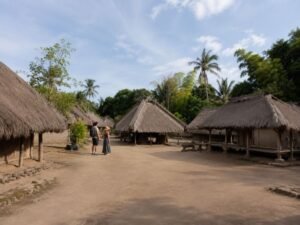
Sumba Island tourism is Indonesia’s best-kept secret for travelers craving raw landscapes and living traditions. Located in East Nusa Tenggara, this off-the-beaten-path destination offers a rare mix of rolling Sumba savannah hills, turquoise waterfalls, megalithic villages, and some of Indonesia’s most dramatic coastlines. Far less crowded than Bali, a Sumba overland adventure delivers authenticity, adventure, and Sumba’s most Instagrammable spots in one trip.
West Sumba: Megalithic Culture & Wild Lagoons
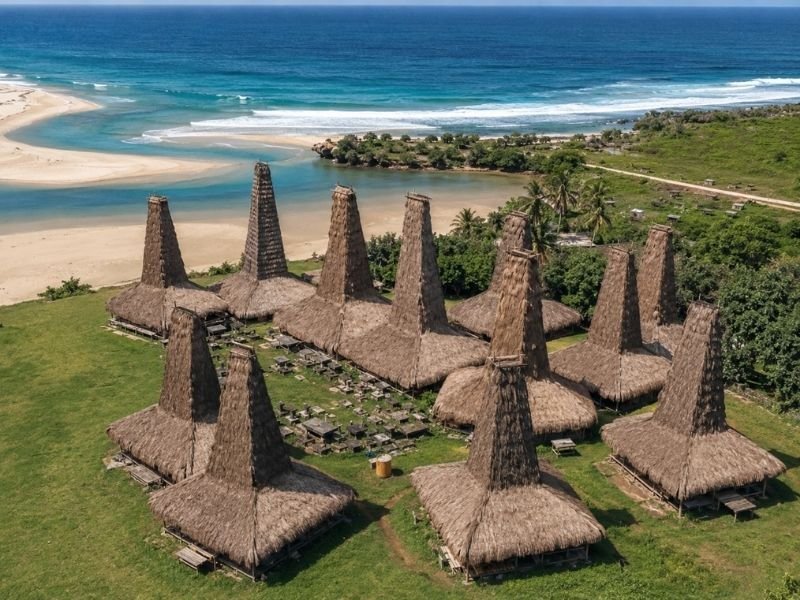
Start your West Sumba tour with airport pickup at Tambolaka Airport, Southwest Sumba. The region is the heartland of Marapu culture, where ancestral worship still shapes daily life. Visit Ratenggaro Traditional Village to see Sumba’s tallest traditional houses and centuries-old megalithic tombs perched above the Indian Ocean. Just minutes away, swim in Weekuri Lagoon, a stunning brackish water lagoon with turquoise crystal water separated from the sea by coral rock.
Don’t miss Praijing Traditional Village, with 38 perfectly aligned Sumba traditional houses on a hilltop — a living museum of Sumbanese traditions and Sumba ikat weaving. For beach lovers, Mandorak Beach and Watu Maladong Beach in Kodi showcase giant sea stacks and natural stone arches along Sumba’s most dramatic coastline.
East Sumba: Savannah, Waterfalls & Sunset Mangroves
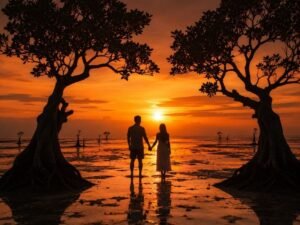
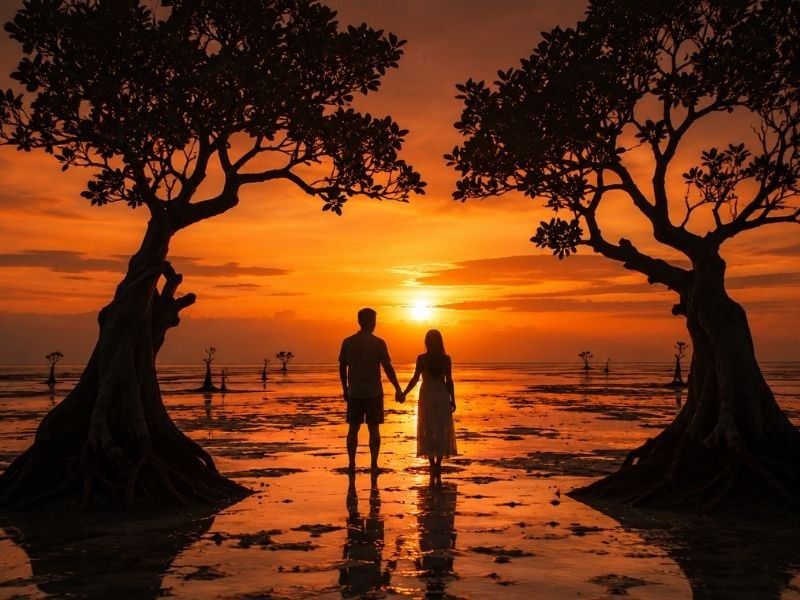
An East Sumba tour begins with airport pickup at Umbu Mehang Kunda Airport, Waingapu. This side of the island is defined by endless Purukambera Savannah and golden Bukit Wairinding, the rolling Sumba savannah hills that turn from green to gold with the seasons. Walakiri Beach is a must for sunset, where silhouetted dancing mangroves create Sumba’s most Instagrammable spot against white sand and a calm Savu Sea.
Adventure seekers trek to Tanggedu Waterfall, the Grand Canyon of Sumba, with multi-tiered cascades and turquoise natural pools. Hidden Waimarang Waterfall offers a jungle oasis, while Prailiu Traditional Village preserves authentic Sumba ikat textiles and more megalithic tombs. Bukit Persaudaraan and other Waingapu viewpoints give panoramic views of this wild landscape.
Sumba’s Unique Culture & Traditions
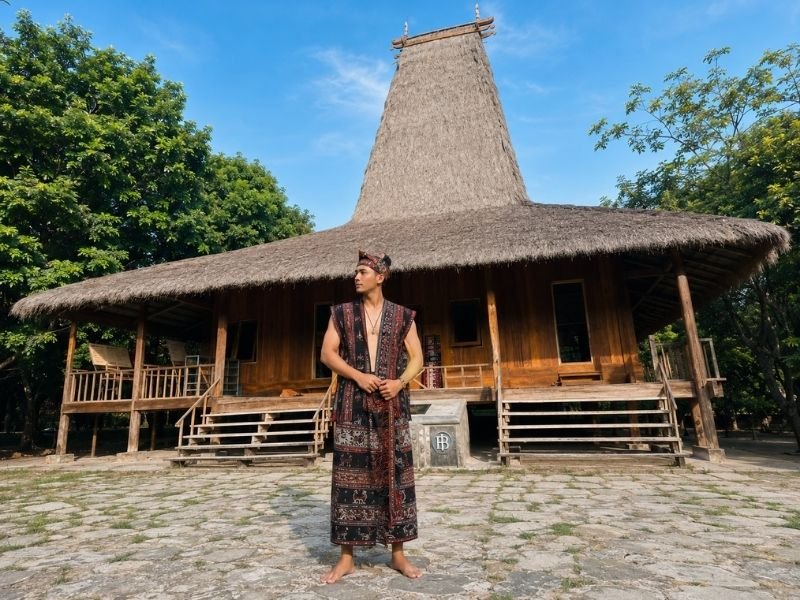
What sets Sumba Island tourism apart is its living Marapu culture. Villages across West Sumba and East Sumba still build towering Sumba traditional houses with high thatched roofs that reach the sky. Pasola festival, the island’s famous ritual spear battle on horseback, happens every February–March in Kodi and Lamboya. Authentic Sumba ikat weaving is a sacred art passed down through generations, and you can watch artisans at work in Praijing Village or Prailiu Village. The island’s megalithic tombs are still actively used, linking past and present in a way few places on earth can match.
Best Time & How to Explore Sumba
The dry season from May to October is ideal for a Sumba overland tour, with clear skies over Bukit Lendongara Teletubbies Hills and calm seas at Pero Beach and Mananga Aba Beach, also known as Pantai Kita. The wet season transforms the Sumba savannah hills into lush green carpets, perfect for photography.
Most travelers fly into Tambolaka Airport or Waingapu Airport and book a Sumba tour package 3D/2N or West to East Sumba tour 4D/3N to cover key sites. Stay in a Sumba eco-resort, Tambolaka hotel, or Waingapu hotel and enjoy meals at local Sumba restaurants serving grilled fish and jagung bose corn.
Why Choose Sumba Island
Sumba Island tourism offers what modern travelers want: space, culture, and nature without mass tourism. Whether you’re chasing the highest waterfall at Lapopu Waterfall, photographing wild horses on Purukambera Savannah, or shopping for Sumba souvenirs and authentic Sumba ikat, this island delivers.
With direct Umbu Mehang Kunda Airport transfer and Tambolaka Airport transfer services, plus growing Sumba beach resorts, the island is more accessible than ever. For your next Indonesia adventure, trade crowds for culture and discover why Sumba is East Nusa Tenggara’s rising star.